Podcasts · Episode
Tahnee Clark: What Actually Helps After Trauma?
With Tahnee Clark, CEO, Alfi Health Hosted by Bianca Bowron-Cuthill, CEO, Innowell
Psychologist Tahnee Clark, the first responding psychologist at the Lindt Cafe siege and now CEO of Alfi Health, joins Bianca to unpack what people actually need in the first hours after trauma, the invisible load clinicians carry, and how technology can act as a clinical guardrail rather than a replacement for human care.
Podcasts — hosted by Bianca Bowron-Cuthill
Full Transcript
The complete conversation between Bianca Bowron-Cuthill and Tahnee Clark, lightly edited for readability.
Bianca: Welcome to the In Our Minds podcast. My name is Bianca Bowron-Cuthill and I am your host and CEO of Innowell. Today we're joined by Tahnee Clark, CEO of Alfi Health. In this episode, we're going to cover crisis management, trauma response, and technology and the role that it can play in actually helping busy clinicians. So, let's get started. Tahnee, thank you so much for joining us today on the In Our Minds podcast. Really looking forward to unpacking some areas of your background.
Tahnee: Thank you.
Bianca: So, Tahnee Clark, tell us a little bit about who you are and what brought you to the couch here today.
Tahnee: So, I have been a psychologist for the best part of the last 20 years. I have a huge amount of passion in this area and hope I continue to work in this area until almost the day I die, I guess. Fortunately, I've been privileged enough to be able to be on the advisory board for Innowell. I'm the CEO of a specialist advisory organisation called Alfi Health, and we work at the intersection of mental health, organisational structure, and clinical governance and best practice. The three areas that we focus on are psychosocial risk and hazard, capability and growth within an organisation and specialist programs, and clinical governance.
Bianca: Yeah, you've had a really interesting career, as you said, that's spanned two decades in mental health. And the area that I really want to start with, and what sets you apart from most people in mental health, is that you were the first responding psychologist at the Lindt Cafe siege that took place a number of years ago. Can you take us back to that moment when you got that call? What was going through your head at the time?
Tahnee: Yeah, there was a lot going on at that time. I had been working on another on-site critical incident that was really intense for the best part of a month, for long hours every day. And it was actually someone within that organisation who came up to me. There were TVs around in this workplace, and they said, "Something really big is going on in the city. I don't know if you'll be going home tonight." So I went to the TV and had a look. Then I got a call from my boss, had a chat, and they said, "You're on standby. This might be a long night." Then I was continuously getting a bit of intelligence about where things were at, to make sure that I was fully briefed. And as soon as you get the call, you're just, all right, we're on. The main thing you're then focusing on is what people really need in that environment. You're not really considering your own emotional needs. You're falling back on your own training and skill set to really focus on who's impacted here, what's going to be the best support for them right now, and how I can make sure this environment is as calm and safe as possible for people.
Bianca: Yeah, because it was obviously pretty heavy for the first responders. I mean, we all remember where we were on that day. How did that, and responding to other frontline experiences like the Nepal earthquakes, shape how you think about what's important in delivering effective mental health care?
Tahnee: I think they had a really pivotal impact on me personally and on my career. They've actually had a major influence on how I structure my own organisation now and how we support organisations. A lot of the time you might find that even really well-intended managers will call a psychologist to be on site at 2 a.m., but what we realised through the research is that you don't necessarily need a psychologist on site in those hours. What people really need is connection with people. They need safety. They need calmness. If they're absolutely exhausted, where they really should be going is back to a safe environment where they can rest, have nutrition and water, really meeting their absolute bare basic needs. And it's understanding that support will be available for them when they need it, and being able to follow up with them over time.
Bianca: Absolutely. And I know you and I have spoken about this previously, in terms of your experience with first responders and the programs that you've built out based on those lived experiences. Now that you've moved from being the person on the ground in those crisis moments to leading a mental health company in Alfi Health, for listeners who aren't familiar with Alfi Health, can you tell us a bit more about what you do and how that's taken shape?
Tahnee: Yeah. So with those three pillar areas, the first one is psychosocial risk and hazards. This is particularly important now with the regulatory changes. All states and territories now have work health and safety requirements, and they're really quite broad and very, very serious. Senior leaders and directors now have a real duty of care, and it's not just reactive anymore. It's about showing that you're taking initiative, doing preventative work and creating efficient frameworks to make people feel safe and ensure they are safe. If those things aren't in place, there are multi-million dollar fines. There are manslaughter charges. It's a big deal. We're really starting to grow up as a country and become far more sophisticated. We don't wait until something bad happens; we go back to the drawing board and run really well-governed organisations from the start. And I don't mean bottlenecks, because I know for a lot of people compliance feels like a huge amount of red tape. It's about making everything far more efficient, and it's actually far more effective for your bottom line as well. What helps is a lot of the experience we've had on the front line, seeing that you can't just throw a big book at someone when you're running big, high-pace, high-demand organisations. You need to be at their pace and make their systems practical, easy to understand and efficient. So we work with organisations on that.
The second is that we build capability and growth within organisations, which is really supporting and leveraging leaders to understand the capability within the organisation. We deliberately stay away from the word resilience. We don't say we run resilience programs, because I think resilience has become a bit of a crutch in organisations. Resilience ultimately means that you have the ability to cope in the face of adversity, and we're aiming for something far more ambitious than that. If you're just tolerating adversity and keep pushing and pushing and pushing, you're going to burn out. And even when people are really brave and strong, and for the most part people do push through trauma and critical incidents, it's just like a bone that breaks and then recovers: it's no longer broken, but there's scar tissue. When people are exposed to unhealthy or toxic environments, there is impact, and it bleeds out in different ways, whether it's their sleep, or they're a little bit short, or they make more simple mistakes. So we help organisations use this intelligence, through data, to really put some muscle into being a high-performance, effective organisation.
The last one is clinical governance, and I really appreciate the opportunity to support Innowell on that, because I know Innowell values it, and in technology it becomes so important. So many people talk about how the mental health system is fragmented and we need more integration. But if you're just integrating things, you're basically exposing data and information, and it can get into the hands of the wrong people. We're seeing a lot of that in the press at the moment, where through legal processes or insurance processes, sometimes that information is not in the best interest of the client at all. So it's about supporting really strong clinical governance frameworks that help organisations leverage the benefits of technology and other structures in a really safe manner.
Bianca: I love that. And that's where, as you mentioned, the Innowell advisory committee and the advisory board come in. Having people like yourself to provide guidance to people like me and my team is so valuable, because not only do you have that clinical experience, but you've also got the on-the-ground first responder and trauma experience, in terms of what organisations in technology need to be thinking about to create those clinical guardrails. So let's talk about what actually helps in a crisis. There's obviously a lot that goes on: you've got people on the ground and a lot of higher-ups providing instruction and direction. When someone has just experienced trauma, whether it's sadly a terrorist attack, a natural disaster or a personal tragedy, what do they need in those first hours and days?
Tahnee: So much of it is really around calm, connection and safety. Even when you look at it from a neuro perspective, at what happens in the brain: your heart pounds, your stomach twists, your intestines tighten, your digestive system shuts down, your short-term memory shuts down, and your prefrontal cortex is completely covered in cortisol. You're thinking with a more emotional, reactive brain. You've got this fight, flight, survival, primal brain going on. So you need to calm that to get back into a whole-brain state. If you're in this primal brain, you can't access a lot of your problem solving and decision making. To help someone get back into that whole-brain state, it's a bit like Maslow's hierarchy of needs: getting back into calm, connection and safety, and meeting those absolute basic needs for survival. Clean drinking water, actually having some nutrition, getting rest for the inflammation. Even when we see athletes who have gone through a major critical incident and then go back up on the world stage, their muscles are like beef jerky and they have so much more injury. So it's really getting things absolutely back to basics. It's not about being the smartest person in the room. It's about being kind and patient with people and holding space for them.
There are a couple of things I'd like to debunk, and they're so often well intended. There's a line I've heard in the field, where people say you're having a normal reaction to an abnormal event. That might sound lovely in theory, and I totally understand where they're coming from. But when someone is absolutely terrified by the physical sensations in their body, having almost an out-of-body experience where everything feels so wrong and so uncomfortable, and you tell them that this is normal, that actually terrifies them. The idea that this could be their new normal terrifies people. Words in those moments really matter. So often it's about using words that have the same intention but keeping it really simple: "I know that this was a really, really distressing event for you. I'm here to support you through this time."
Another one is the psychological response, thinking you need a psychologist out there, and a lot of that comes from the clinical instinct to ask what happened. I dare say it's probably one of the most dangerous things you could do, asking someone to explain and rehash what happened. Your clinical curiosity and your clinical formulation of the event is not what is needed right then. It's about holding space for that person. It's not about what happened to them; it's about how it made them feel. You really don't even want to get into the crux of any of that for several days. Initially, it's really about meeting calm, connection and safety.
Bianca: That makes sense. My assumption is that people are coming at it with the right intentions, but as you're saying, it's about not having someone rehash a critical event. When you step out of it, you think, of course, why would you put someone through that again if you didn't need to? So on that vein, what are some of the common misconceptions about trauma support that you'd like to dispel?
Tahnee: Following on from that, in a lot of lines of work there's the operational debrief, and that debrief is a circle where everyone says, "What did you see? What did you see? Tell me about this, tell me about that." Now you've basically got the perfect boiling pot for vicarious trauma, because everyone's exposed to things they didn't necessarily need to be exposed to. They're also reinforcing a narrative of people who are distressed and traumatised, feeling helpless, hopeless and overwhelmed, and reinforcing the lack of resources or structural support. That becomes what forms their narrative.
It's so incredibly important. It could be something as simple as someone in a car crash who's stuck under a car. Sometimes it is literally crawling under that car with them and holding their hand, pairing a traumatic experience with feeling safe and feeling like someone cared. That's the most important thing in a traumatic scenario: helping people, in that moment, through that rupture where their whole world feels like it's been ripped out from underneath them, to pair it with "I can go through hard things and people will show up for me," or "I can go through hard things and use the strengths and resources within myself to get through this." That's really what you want people to walk away with. They don't need to be an incredibly insightful individual at that point in time.
I think it's so important for people not to push things under the rug. You can have unresolved trauma or you can have resolved trauma. You'd have to give someone a frontal lobotomy for them to forget it, unfortunately. But you can help them create a really meaningful narrative so that it doesn't paralyse them anymore when they think about it or are reminded of it, and instead they can focus on their strengths, their resources and their support. You're ultimately starting to develop post-traumatic growth: they're more intelligent and more self-aware. Trauma has forced them into corners of themselves they have never met before, and they now know themselves more than they ever have. That's what you hope they get from this, this newfound growth.
Bianca: It's amazing. As you said, it's almost a reframing of the positives that can come out of it, because you can't change the past or what's happened, but hopefully you can give people the tools for how they respond and move forward. So when you're responding to collective trauma, how does that differ from individual crisis response, given the examples you've shared?
Tahnee: You're looking at a really broad picture then. You're looking at the whole system, and systems on systems on systems. It might even be communication. How is the organisation communicating this in a timely and trauma-informed manner, so that they're not retraumatising more people, while also respecting confidentiality, particularly if there's a family or individuals involved? So you're supporting it end to end. What is the communication that's going out? Is it trustworthy? Is it honest? Is it timely and trauma-informed? You're looking at how people were exposed: who was directly exposed, who was indirectly exposed, and who is going to be exposed in the aftermath, whether it's the comms team or senior leadership. So you've got this multi-layered consideration. Then over time, once the calm, connection and safety are in place, it's really doubling down with them on what we can learn from this. Not blaming, but gathering the intelligence: how can we become more sophisticated as individuals and as an organisation from these experiences?
Bianca: That's amazing. I know you've worked with a number of different organisations across many areas of health, particularly crisis management, but also on the clinical side. Mental health can surface in so many different ways and be triggered by all sorts of life events and traumatic experiences. I'm really curious about the clinician side of that. You often hear about long wait times and complex systems for patients to navigate, and that's obviously really hard for psychologists as well. The clients I speak to at Innowell care so deeply about the people they're working with, and I know you're another one of those people. How do clinicians actually deal with that workload?
Tahnee: I'm really passionate about this one, and you're completely right. I think we treat clinicians like a continuously renewable, bottomless resource, and people often don't appreciate the level of cognitive load it takes to provide counselling support. Think about it as systems in the brain. When a psychologist or any clinician is in a session with a client, first they're actively listening, and the cognitive load of deeply listening is one thing on its own. On top of that, they're listening to what the person is saying and also what they're not saying, and trying to formulate that against potentially three or six months' worth of case notes, however long it's been. They're trying to find patterns, strengths and weaknesses, risk factors and protective factors. They're case formulating on the go, so they can ask thoughtful, insightful questions that help the person have an aha moment and join some dots. On top of that, they're drawing on their clinical training, best practice and research to make sure they have the right guardrails: am I using an evidence-based framework, so I'm not just freestyling? Is this CBT, ACT or DBT? Then they have to think about whether there are contractual requirements or a particular purpose to the session. Is this an assessment? Is it fit for work? Is the person coming through an EAP, where there are contractual requirements around short-term therapy, or is this long-term therapy? Were they referred for an eating disorder? There are already about six core components happening in that one session. Then after that 50 minutes or an hour, somehow you've got to scribble your case notes, and then it's on to the next, and the next, and the next. It's huge, and depending on the caseload, it can be phenomenal.
Bianca: As you were explaining that, I was picturing all these little spinning wheels, like someone's browser with lots of tabs open. Every clinician I speak to says they want to show up for their clients in a really empathetic and authentic way, to be present in the moment rather than sitting there reading their notes and thinking about the next question. But as you said, that's a huge load for any human to bear, let alone the legal aspects and all the different layers clinicians are working through. I see a lot of burnout, and people leaving the profession because it's too much: they're dealing with heavy content and a heavy load. What would be your advice to clinicians on processing that level of information and showing up for their clients in a different way?
Tahnee: Unfortunately, there are so many different facets. I do a lot of clinical supervision for big EAP providers, for instance, and it really depends on what department they're working in, how much exposure they have and what their caseloads are like. Do they have good clinical frameworks and structures? Are they supported by their organisation? If you've got 20 police officers on your caseload, there's a high risk there. They're holding a firearm, and if someone has been exposed to multiple critical events, their risk profile is higher than for others. So there are so many factors involved, but there are some 101s you want in place. Are you working in an organisation that genuinely cares about you and about best practice? Do they have your back, with good clinical governance structures? Do you have a manager you're working with? I'd say if you're working with a high caseload with a lot of risk, don't ever do anything alone. Make sure you're documenting things well clinically, and first things first, that you're doing a proper risk assessment. You can have a nice chat that goes for two and a half hours, and then the person says at the end, "By the way, I've been having these thoughts." You want to be there to support them from that hierarchy of needs first. So know how to do a good risk assessment, and how to write case notes that are always supportive and in the best interest of the client, because they have the right to see those case notes at any time. Make sure you're debriefing regularly and checking in with yourself. You've got to check yourself before you check others, really. Otherwise it could sit in your blind spot: if your cognitive load is too high and you don't have that self-awareness, you could hit burnout without realising when the slippery slope began. And try to leverage technology as much as you can. It's a superpower if you know how to use it well.
Bianca: That was an interesting point you raised, and I was thinking about it when you talked about case notes. I know it came up in our advisory committee meeting, the time clinicians are expected to spend on them. I've recently done a tour with clients, and that feedback came up over and over again: the expectation on clinicians to squeeze clinical notes in between back-to-back appointments or after hours. You might be trying to recap a conversation you had on Monday or Tuesday, and it's now Friday or going into Saturday and you realise you've got four hours' worth of case notes and care plan updates to do. What sorts of technology are you seeing actually work for clinicians?
Tahnee: There are some big mental health organisations now adopting transcription, with the client's permission, to transcribe the session. The technology is certainly very helpful, but it's still imperfect. Someone might have an accent, things can be summarised or implied the wrong way, or the technology might not know whether the clinician or the client was talking. So we certainly need a lot of human review, but it's great to see these emerging technologies, and if we can nail them, they'll be phenomenal. Pre- and post-assessments online are fantastic: someone can do them on their phone at any time, even go for a walk and sit on a park bench and complete them in their own privacy, instead of trekking in, finding a car park and filling in a paper form. Tracking wellbeing over time is fantastic. Then there are transcriptions and clinical insights. The amazing thing about AI is that it can absorb huge amounts of information and find patterns in data sets really quickly. It's almost like having a clinical admin person tap you on the shoulder and say, "Remember that thing that happened to them when they were three years old? This seems connected." Having those insights come forward is so helpful for a clinician.
Bianca: And that additional context matters. In a world without that technology, the cognitive load sits solely on the clinician's shoulders, to think of all these things and collect all those data inputs. What I'm seeing is that it's never designed to replace a clinician. If anything, it's about giving time back to busy clinicians so they can show up.
Tahnee: Yeah, absolutely. There's so much magic in human experience and intuition. There's so much research now showing the importance of the therapeutic alliance and that relationship. We're not born to connect with everyone, otherwise we'd marry anyone. That therapeutic alliance is so powerful and so therapeutic, and technology genuinely can't replace some of those key factors. But what it can do is take away so much of the administrative burden and noise, so humans can really focus on being human, and on the benefit and power of being human.
Bianca: I agree, and I can see the benefits in so many ways. It's still a lot for clinicians to absorb, given the rate of change we're seeing in technology. As you said, it's not perfect, but even if it takes you 70 to 80 per cent of the way there, that's a vast improvement on where we were two or three years ago.
Tahnee: And a lot of that comes down to the organisations and how they implement their systems. If there's change fatigue because they keep moving from one system to another, the clinician isn't quite sure which software they're meant to be using, and there are lots of workarounds. That's a lot of the work we do at Alfi Health: looking at the end-to-end system, process and workflow.
Bianca: I agree. We want to make it nice and easy, because the more of a scenic route you have to take through different tools and systems, with data syncing between multiple apps, the more it adds to any clinician's cognitive load. So let's switch back to trauma response. One of the points you made was that clinicians need to check themselves as part of the service they provide to their clients. Something that recently came to light in the media was the coronial inquest into the Bondi Westfield stabbing. It handed down its findings, and one outcome was that Joel Cauchi's psychiatrist was referred to the Queensland Health Ombudsman, because there were warning signs and possibly an opportunity to intervene sooner. Given the load we've just talked about, there's that difficult tension between advocating for your patient, respecting their autonomy and privacy, and holding a broader duty of care. From your clinical experience, what goes through your mind when you see those kinds of headlines?
Tahnee: Initially, I just feel empathy. There are so many clinicians who would be feeling that it could have been them. I care deeply about the quality of clinical care a clinician provides, and that is absolutely important, but there's also the system. It's that Swiss cheese model: there are so many broader pieces to the overarching system. So often as a clinician, you're taking in imperfect and incomplete information in the moment, within systems that have their own barriers and limitations. So my first response is empathy. Then it's looking at growth: what can we learn from this? How can we grow and be better? There's so much more we can do to improve our systems and set both clinicians and our whole community up for more success.
Bianca: I agree. Every clinician I've met has the best intent to provide the best level of care. No one is trying to dial it in. There are so many layers of complexity, and people only share what they're able to share at that moment. There's a lot of expectation on clinicians to get it right every time, but you're not with your clients 24/7, nor are you expected to be. The media's and the public's expectations and the reality can be two different things, and balancing that risk is always a fine line that the clinicians I speak to are trying to weigh up. So, you talked about empathy for clinicians and the load they're carrying. What changes would you like to see, or advocate for, to support clinicians, given the fragmentation and the challenges they're facing today?
Tahnee: I can use a real example as a parallel for how I think we could approach it well. One of the things we do is develop peer support programs. Say an organisation comes to us and says, "We have a really high-demand, high-hazard environment where people are exposed to a lot of traumatic and critical incidents. We want to make the workplace culture more sustainable and support our people as best we can." They might engage us to develop a world-class peer support program, so we develop what we're genuinely proud of as a world-class standard. Then we have to bring it back to being realistic and practical.
It's the same when we think about the fragmented mental health system. There's the holy grail: what does really good look like? You've got to start there. If you don't know the North Star of what great looks like, you'll keep chasing your tail and going down rabbit holes. In mental health, that means making sure we're not so fragmented, and looking at things from almost a global perspective. How can we create the best counselling support? How do people engage with it in a way that feels clear and well informed, so they know what they're going to get before they get it and feel safe through the whole process because it's been transparent and clearly communicated? They need good accessibility and good availability, and those are actually very different things. You can say there's a 1300 number on the back of the toilet door, and if people call it they can get counselling, so you've got accessible and available counselling. But no one's going to use it if they face stigma, financial barriers or time barriers. That's not accessible. That's just available. That's a really big distinction: looking at all the different barriers that stop us from being world-class, and then working realistically on how to close those gaps.
So that's where we really need to start. What is world-class? If we had a collective project, could we all agree on what great actually looks like? Then what are the barriers stopping people from getting there, and how do we close those gaps? With the peer support example, we develop a world-class program and then go to the organisation and practically ask: what are your limitations to being that? Is it a lack of resourcing? A lack of trained leaders? A lack of funding to train people so they know the model is in place? Then we either compromise to reach a standard that is still very high, or work out how to raise the bar to get you closer to where you need to be. Once you achieve those things, you have a very sophisticated end-to-end product. Unfortunately, a lot of the time what we have is clunky and unsophisticated.
Bianca: Yeah. What I see is a lot of resource and funding limitations. Everyone aspires to that gold standard and world-class benchmark, but for some people and organisations it feels unobtainable because of all the barriers that get in the way.
Tahnee: But as you said, we've got to have a goal. So often people are well intended, "We've got X million dollars to help support mental health," but we haven't actually taken the time at the start to make sure the goal is the best goal. So we get better each time, but a lot of waste can happen along the way.
Bianca: And it's sad, because it comes from a really good place. Whether it's a media announcement that a certain amount of funding has been allocated to an organisation to support a crisis that's emerged, the intent behind it is amazing. But as you're saying, it's the practical timing between the announcement and when people are actually enabled and set up for success, whether that's more clinicians, more services or more tools. In some cases that lag can be six to nine months, and from a layperson's perspective it almost looks like, isn't that too late?
Tahnee: And that's why, for a lot of organisations until now, before this work health and safety law crunch, compliance felt like a huge amount of red tape. You need subject matter experts who work efficiently and who also understand, from an organisational perspective, that the business has to run. It's got a bottom line, and if you're sitting around twiddling your thumbs trying to be all warm and fuzzy, you might go bankrupt. You've got to find the balance. You need a genuine understanding of what the business needs to achieve, what the people need to help them achieve it, and how the two integrate.
Bianca: That makes total sense. We've talked a bit about the gaps, including the accessibility gaps. In our first episode, with Dr. Frank Iorfino, we talked a lot about the accessibility problem in healthcare: long wait times and people bouncing between providers. Is that something you've seen too, across the different areas of mental health where you've practised?
Tahnee: Yes, absolutely. That was one of the core things we tried to address at Lysn, and I'm really proud of what we did there. What we saw is that technology can be phenomenal at helping people find their best fit. Often people share just a couple of things they want support with, rather than everything they're struggling with, and then they can be connected with clinicians who have expertise in those areas. Telehealth removes the geographic barrier, which also helps with wait times. If you're in a regional location and there's one psychologist who's fully booked, it can be really, really hard, because you don't have any alternatives. The other thing that happens is that sometimes you just get referred to whoever is on someone's books, and that person may not be a psychologist with the specialty you need.
Bianca: What about the aha moments you've had, where you've thought the system's broken or we're doing this wrong? Can you think of any examples of that light-bulb moment, where you realised, "Yep, this is where it's not working"?
Tahnee: Lots, probably too many to mention on our podcast. That's what I love, and I feel so privileged to be in a position where you can get really practical. Yes, you need the blue-sky view, but it's about bringing it back to basics: what do people really need to operate effectively? Even the simple things of calm, connection and safety. How can we create that as an absolute 101 within an organisation? That means working with leaders so they can handle particular situations with more emotional intelligence and more self-awareness. What you often find is that organisations can either be part of the problem or really be part of the solution. There's a lot of research now showing that when someone has been exposed to a really challenging circumstance and they're in a healthy psychological environment, they recover so much faster. So it really comes down to the bigger system. We go into workplaces and support the clinical governance frameworks around how the business operates, so that when those circumstances happen, it's not a deer-in-the-headlights moment of "what the hell do we do now?", which is where you get a domino effect of more harm. By going in with a preventative and very practical approach, and showing that there are some really basic things an organisation can do to have good clinical governance and good clinical frameworks in place, managers feel empowered. They feel they have the tools and skills to address the issues that come up with their staff, and you get really effective workplaces very simply.
Another one is how obvious it is that we need to use technology, and how much it can reduce the cognitive load on a clinician and support both the practice and the clinician. When we use technology and clinicians in unison, one of the core things technology can do is act as a guardrail. When clinical technology creates prompts and support for the clinician, it teaches them what best practice looks like, so they develop proper clinical governance habits through structure and repetition. It also reduces the cognitive load: "You haven't closed off that risk assessment," or "You haven't closed off that safety plan," or "It's been three months since you set that goal," or "This was the next goal they wanted to focus on," or "You haven't set goals for your counselling yet; you've just been chatting." It's amazing what we can do there to reduce burnout and actually increase the sophistication of the clinical care we provide.
Bianca: Absolutely. We've painted a pretty challenging picture of mental health across all the areas you've explored in your career: crisis response, gaps, wait times, stigma, cost. You've talked about how technology can help. If you had to pick one thing, where have you seen technology have its greatest impact?
Tahnee: I think it's the speed and efficiency: being able to absorb huge amounts of data and information, see patterns and create insights from it. That is so powerful, because it's one of the most fundamental things that has sat on us as human beings as cognitive load. There's no pet or anything else that can do it for you. You're on your own there. So having technology be almost your partner in crime, supporting you and saying, "These are the patterns we're now seeing, these are the insights we're suggesting," is huge. You certainly don't want to take it at face value. At this point you want to use it purely as a tool. We're not sophisticated enough yet, and maybe we never will be. But that efficiency and capability for insight can bring things to a really sophisticated, world-class level, because we're gathering huge amounts of information and creating really potent insights.
Bianca: And obviously AI plays a huge role in that. Coming from a technology background, I can't not ask about AI. Overall, how do you see it in the mental health landscape: more of a risk or more of a benefit?
Tahnee: There are absolutely risks and benefits. It's phenomenal to be able to use technology, and I dare say every single psychologist and every single practice should be using it: the accessibility, the affordability, the guardrails, the clinical best practice that comes with it. Even the safety of notes. Removing physical notes means they can't accidentally be stolen or burnt in a warehouse fire, so there's far more compliance, safety and structure. All of those things are so much in the best interest of the client. There's more efficiency, and clients have visibility of when the next appointment is available. Think about trauma-informed best practice around choice, trust and transparency: clients can now see clinician profiles, book their next session, and access their own goals and assessment information. They're part of a collaborative process, whereas before they were running blind without access to that information. So it's phenomenal from that perspective. From a risk perspective, the thing that's so important to me, and I guess keeps me up at night, is making sure that data and information is secure and doesn't get into the hands of the wrong people.
Bianca: I agree, particularly given the heaviness of what people are often sharing. That's definitely the risk you hear from a lot of clinicians, especially with any kind of live recording or transcription. If someone is talking about deep trauma that has happened to them, you'd be horrified to think it could fall into the wrong hands. Good tech companies have to take that seriously: where is the data hosted, what happens with it, and how is it de-identified? So if someone is listening right now, or knows someone who is struggling with trauma, what are the actual steps you think they should take?
Tahnee: First and foremost, be really kind and patient with yourself. So often it's the self-blame, or those limiting beliefs that you're not good enough, that really hold us back. Be kind and patient with yourself and take it one minute at a time. All you have to do is get through this minute, or this hour. Break it into bite-sized pieces. Then I would say reach out to someone. Don't bottle it up or keep it to yourself. You don't need to have all the answers. It can be messy and not even make sense. But we learn how we feel when we hear ourselves say it. When it's all up in your head, it can go off in all directions and you never quite unpack it or make sense of it. Saying something out loud helps the brain build a more linear understanding of your sense of self and really broadens your self-awareness. So I would really, really hope that anyone who's struggling right now reaches out to someone they trust. It might even be talking to your dog or your cat at first. Talking to a friend, talking to a peer support officer, calling Lifeline, calling Beyond Blue, just starting the conversation. Even saying, "I don't know how I feel. I don't even know where to begin." That's okay. You can start anywhere, and the pieces will make a little more sense each time.
Bianca: That's amazing advice, and you're right. Sometimes we overlook the simple things in life: fresh air, water, nutrition, and just taking a minute to breathe through it. And as you said, there's absolutely no shame in asking for help or talking to people about what's going on in your mind. So to finish up, let's look ahead. We've covered a lot today, which has been really insightful, and it's why I was so looking forward to this conversation, because you have such a breadth of experience across mental health. If we could wave a magic wand and redesign mental health crisis response and accessibility from the ground up, with no constraints, what would that look like, Tahnee?
Tahnee: I really hope we become more sophisticated. There is so much wisdom and knowledge out there; I think we already know so much. But I'd really hope we bring it back to basics, all stop for a minute, and develop a system where we understand the fundamentals as a 101. For anyone in the world going through a critical or traumatic experience, the first thing is: how can we create an environment where we support our community to have calm, safety and connection, before all the bells and whistles and the media and everything else? In a workplace, how do we turn that into a protocol that feels calm, sophisticated and practical, and how do we do that on a global scale for everyone?
Then it comes down to coordination from a systems perspective. How do we coordinate so the right people are in the room at the right time? So often we're well intended in bringing people in to show our response, but it really comes back to creating a calm, succinct process. From an organisational perspective, that's leaders. From a global perspective, it's leaders in every sphere. In the family home, it comes down to leaders too. We've got to make sure we're training those leaders to understand the core things people need in a traumatic incident. Whether it's a teacher in a schoolyard with a four-year-old or anyone else, calm, connection and safety are the 101. If people have that, and they can go home, rest, eat and have some nutrition, their recovery will already be so much better.
From there, it comes down to some of the other things I mentioned. How do we normalise someone's experience without saying "this is normal", because that can really scare someone? How do we hold space for people? If they want to talk about the event, absolutely, they can debrief about it, and you hold space and let them lead the way. But you never ask someone to explain what happened. You focus on how it made them feel, and on supporting them as they make sense of it: Why was I scared? What supports were there? What do I need next? And I want us to move away from victim, broken language. I know we so often use it out of absolute respect, but it needs to be more survivor-led, action-based language, to show more respect for people who have genuinely survived phenomenal things. Not focusing on the resilience of continuously enduring and showing up, but on not tolerating those things and learning from every experience we have. I think that's where technology will help us, because we can pull together huge data points from everything happening around the world and quickly get insights into how to address the systemic issues we have at both a micro and a macro level.
Bianca: Tahnee, amazing insights shared on the podcast today. I can't thank you enough for being here, and for sharing the impact you've had, and that I know you'll continue to have, in the field of mental health. Thank you so much for your time today. I've really appreciated having you on the podcast.
Tahnee: Thank you so much. It's been wonderful. Thank you so much.
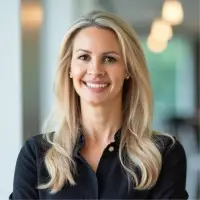
Tahnee Clark
Tahnee Clark is a psychologist with close to two decades of experience across crisis response, trauma and clinical governance. She is CEO of Alfi Health, a specialist advisory organisation working at the intersection of mental health, organisational structure and clinical best practice.
She was the first responding psychologist at the Lindt Cafe siege and has supported the response to major critical incidents, including the Nepal earthquakes. Today she helps organisations manage psychosocial risk, build capability and strengthen clinical governance, provides clinical supervision for large EAP providers, and sits on Innowell's advisory board.
Episode Q&A
The key questions from Bianca Bowron-Cuthill's conversation with Tahnee Clark, with answers condensed from the transcript and organised by theme. Tap a question to expand the answer.
I've been a psychologist for the best part of 20 years, and I hope to keep working in this field for the rest of my life. Today I'm CEO of Alfi Health, a specialist advisory organisation that works at the intersection of mental health, organisational structure and clinical governance.
We focus on three areas: psychosocial risk and hazards, capability and growth within organisations (including specialist programs), and clinical governance. I'm also privileged to sit on Innowell's advisory board.
I'd already spent close to a month on another intense on-site critical incident when someone told me something big was happening in the city and I might not be going home that night. I was put on standby and kept receiving briefings so I was fully across the situation.
Once the call came, my own emotional needs went into the background. You fall back on your training and focus on three things: who is impacted, what support they need right now, and how to make the environment as calm and safe as possible.
Responding to events like the Lindt Cafe siege and the Nepal earthquakes had a pivotal impact on my career and on how I've structured Alfi Health. Well-intended managers often call in a psychologist at 2 a.m., but the research shows that's not always what people need in those hours.
They need connection, safety and calm. If they're exhausted, the best place for them is somewhere safe where they can rest, eat and drink water, with the reassurance that support will be there when they need it and proper follow-up over time.
Every Australian state and territory now has work health and safety requirements around psychosocial risk, and senior leaders and directors carry a real duty of care. It's no longer enough to be reactive. Organisations need to show they're doing preventative work, with significant penalties if those frameworks aren't in place.
Compliance doesn't have to mean red tape. Because of our frontline experience, we know you can't hand a big rulebook to a high-pace, high-demand organisation. We work at their pace to make governance practical, easy to understand and efficient, which is also better for the bottom line.
Resilience has become a bit of a crutch in organisations. It ultimately means the ability to cope in the face of adversity, and we're aiming for something more ambitious than that. If people simply tolerate adversity and keep pushing on, they'll burn out.
Even when someone recovers from trauma, it's like a broken bone that heals with scar tissue. Exposure to unhealthy or toxic environments shows up in other ways: poorer sleep, shorter tempers, more simple mistakes. We use data to help organisations build real capability instead.
Everyone talks about the mental health system being fragmented and needing more integration. But if you simply integrate systems, you can expose sensitive data to the wrong people. We're already seeing cases where information surfaces through legal or insurance processes in ways that aren't in the client's best interest.
Strong clinical governance frameworks let organisations get the benefits of technology while keeping people safe.
Calm, connection and safety. In the moment, the body goes into survival mode: the heart pounds, digestion and short-term memory shut down, and the prefrontal cortex is flooded with cortisol. In that primal state, people can't problem-solve or make decisions well.
To get back to a whole-brain state, you start with the basics, much like Maslow's hierarchy of needs: clean water, food and rest. Helping isn't about being the smartest person in the room. It's about being kind and patient, and holding space.
The line about a normal reaction to an abnormal event is well intended. But when someone is terrified by what's happening in their body and feels almost outside of themselves, hearing that this is "normal" can frighten them more, because it suggests this might be their new normal.
Words matter enormously in those moments. Something simple works better: "I know this was a really distressing event for you, and I'm here to support you through it."
Asking someone to rehash a traumatic event straight away is probably one of the most dangerous things you can do. Clinical curiosity and formulating the event aren't what's needed in that moment.
Focus on how it made them feel, not on what happened to them, and hold off on getting into the details for several days. Early on, the priority is calm, connection and safety.
In a debrief circle where everyone recounts what they saw, you create the perfect boiling pot for vicarious trauma. People are exposed to things they didn't need to be, and the group can reinforce a story of helplessness, overwhelm and lack of support.
What matters most is pairing the traumatic experience with feeling safe and cared for. Sometimes that's literally crawling under a car to hold someone's hand. You want people to come away knowing they can get through hard things, that others will show up for them, and that they have strengths of their own.
You can't make someone forget a traumatic event, and pushing it under the rug doesn't help. But you can support them to build a meaningful narrative, so the memory no longer paralyses them and they can focus on their strengths, resources and support.
That's the beginning of post-traumatic growth. Trauma forces people into corners of themselves they've never met before, and many come out more self-aware than they've ever been.
You're looking at the whole system, and systems on systems. Communication is a big part of it: is the organisation communicating in a way that's timely, honest, trustworthy and trauma-informed, while respecting the confidentiality of any families involved?
You also map who was directly exposed, who was indirectly exposed, and who will be exposed in the aftermath, such as communications teams or senior leaders. Once calm, connection and safety are in place, the focus shifts to learning. Not blame, but how individuals and the organisation can become more sophisticated.
We treat clinicians as if they're a bottomless, continuously renewable resource. In a single session, a clinician is listening deeply to what's said and what isn't, and connecting it with months of case notes to spot patterns, strengths, and risk and protective factors.
At the same time, they're forming insightful questions, making sure they're following an evidence-based framework such as CBT, ACT or DBT, and tracking any contractual requirements, whether it's an assessment, a fit-for-work review or short-term EAP therapy. Then they write up their notes and go straight into the next session.
Start with the fundamentals. Work for an organisation that genuinely has your back, with good clinical governance and a manager you can work with. With a high-risk caseload, never do anything alone.
Do a proper risk assessment first, and write case notes that are always in the client's best interest, because clients have the right to see them. Debrief regularly and check in with yourself, or burnout can creep up in your blind spot. And make the most of technology. Used well, it's a superpower.
My first response is empathy. Many clinicians would be thinking it could have been them. Good clinical care is absolutely important, but there's always the wider system. It's like the Swiss cheese model, where many layers have to line up for something to go wrong.
Clinicians are often working with imperfect, incomplete information inside systems that have real limitations. After empathy, it's about learning: how can we improve our systems so clinicians and the whole community are set up to succeed?
Session transcription, with the client's permission, is being adopted by some large mental health organisations. It still needs human review, because accents, speaker attribution and summaries can go wrong. Online pre- and post-assessments that people can complete privately on their phone are fantastic, as is tracking wellbeing over time.
AI can also find patterns across large amounts of information quickly, almost like a clinical assistant reminding you of something relevant from a client's history. It won't replace the therapeutic alliance, which research shows is powerful in its own right, but it can remove the administrative noise so clinicians can focus on being human.
When clinical technology prompts clinicians, for example flagging that a risk assessment or safety plan hasn't been closed off, that a goal was set three months ago, or that no counselling goals have been set at all, it does two things. It teaches best practice through structure and repetition, building good clinical governance habits. And it reduces cognitive load.
That helps reduce burnout while lifting the quality of care. Implementation matters too: constant system changes and workarounds add to the load, which is why the end-to-end workflow needs attention.
Both. The biggest benefit is speed and efficiency: absorbing huge amounts of information and surfacing patterns and insights that would otherwise sit entirely on the clinician. Technology also improves accessibility, affordability and transparency. Clients can see clinician profiles, book sessions and access their own goals and assessments, which supports trauma-informed principles of choice and trust.
But insights shouldn't be taken at face value; it's a tool. The risk that keeps me up at night is data security, making sure deeply personal information never ends up in the wrong hands.
You have to start by defining the North Star, what great actually looks like, or you'll keep chasing your tail. Then you work realistically on the barriers. A key distinction is availability versus accessibility. A helpline number on the back of a toilet door makes counselling available, but stigma, cost and time can still stop people from using it.
In our peer support work, we design a world-class program and then work with the organisation on its constraints, such as resourcing, trained leaders and funding, to either reach a high standard or raise the bar. Funding announcements often skip that first step of defining the right goal, which is where a lot of waste happens.
Technology can be phenomenal at helping people find their best fit. When people share a few things they want support with, they can be matched with clinicians who have expertise in those areas.
Telehealth removes geographic barriers, which helps with wait times, especially in regional areas where there may be only one psychologist and they're fully booked. It also avoids people simply being referred to whoever is on someone's books, rather than to a psychologist with the right specialty.
First, be kind and patient with yourself, and take it one minute or one hour at a time. Then reach out to someone. Don't bottle it up. You don't need to have the answers, and it can be messy. Saying things out loud helps your brain make sense of what you're feeling.
Start with whoever feels safe: a friend, a peer support officer, even your dog. You can also call Lifeline or Beyond Blue. It's okay to say, "I don't know how I feel, or where to begin."
I'd bring it right back to basics, everywhere. Whether it's a workplace, a family home or a teacher in a schoolyard with a four-year-old, calm, connection and safety come first, before the bells and whistles. Then coordination: the right people in the room at the right time, with leaders trained in what people need.
Hold space, let people lead, and focus on how they feel rather than what happened. I'd also like us to move from victim language to survivor-led, action-based language. Technology can help by pooling insights to address systemic issues at both a micro and a macro level.
Explore more conversations at the frontier of mental health.